

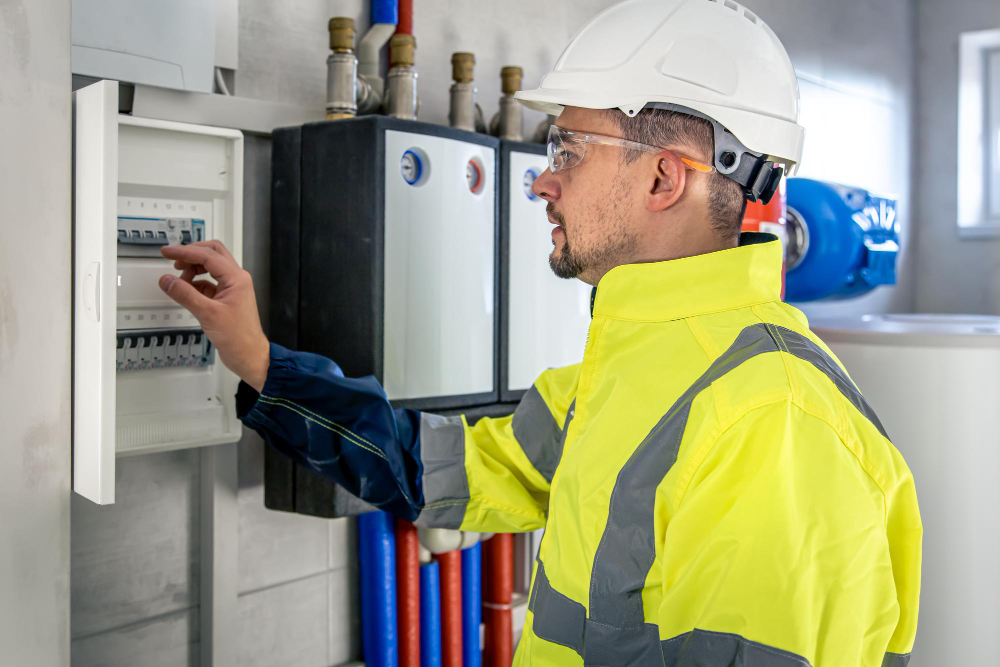
When winter approaches, ensuring your home has a reliable, warm, and highly functional heating setup becomes an absolute priority. If you have been searching for a trustworthy provider of gas central heating installation near you, understanding the entire process from initial assessment to ongoing operation is the first step toward a more comfortable living space.
For homeowners throughout the East Midlands and South Yorkshire, partnering with certified professionals like Aptus Control guarantees a high standard of workmanship, full Gas Safe compliance, and clear, upfront pricing models. Modern systems do more than just deliver warmth; they transform how you manage your monthly energy expenditure.
Why Invest in a Modern Central Heating System?
Older heating configurations often work twice as hard to produce a fraction of the warmth provided by modern setups. Mechanical wear, internal system sludge, and outdated designs cause considerable energy wastage, leading directly to higher monthly utility bills.
By investing in a brand-new central heating system installation, you gain immediate control over your domestic climate. Modern components run with whisper-quiet operation, provide rapid hot water responses, and integrate seamlessly with smart home automation tools.
Understanding Costs: What to Budget For
The total financial investment required for a full installation varies depending on the physical size of your home, your existing framework, and the specific equipment you select.
Typical Price Breakdown
- Standard Boiler Upgrade: Replacing an old combi boiler with a high-efficiency model in the exact same location typically starts from £2,500.
- Full System Implementation: A comprehensive setup for an average-sized household, including a new A-rated boiler, all new copper pipework, and 6 to 8 modern radiators, generally ranges between £4,500 and £7,000.
- Complex System Relocations: Moving your primary boiler from a kitchen to an attic space or converting an old gravity-fed system into a modern unvented setup can add £1,000 to £2,000 in additional labor and structural materials.
Best Heating Options: Selecting Your Ideal System
Finding the ideal option requires matching the physical demands of your household with the right mechanical setup. Modern options focus heavily on creating an energy efficient gas heating environment.
1. Combination (Combi) Boilers
Combi units are the most popular choice across the UK. They operate as a single, compact unit that heats water directly from the main supply whenever a tap is turned on, removing the need for bulky storage tanks.
2. System Boilers
System configurations require a separate cylinder to store hot water, but the primary pumping and safety components are built directly into the boiler itself. This setup is perfect for busy multi-bathroom homes where several hot water taps are often used simultaneously.
3. Conventional (Regular) Boilers
Also known as traditional or open-vented systems, these require both a cold-water storage tank and a feed tank in the loft, along with a hot water cylinder downstairs.
4. Eco-Conscious Hybrid Configurations
For homeowners focused on long-term sustainability, pairing a high-efficiency gas boiler with an air-to-water heat pump creates a powerful hybrid solution.
Step-by-Step: What to Expect During Installation
A complete central heating system installation is a major structural project that requires careful organization. Knowing what happens at each stage helps ensure a smooth, stress-free experience.
Phase 1: Technical Survey and Load Calculation
Before any equipment is ordered, a Gas Safe engineer conducts a thorough heating assessment. They calculate the exact heat loss of every room based on wall insulation, window types, and room volumes to ensure your new boiler and radiators are perfectly sized.
Phase 2: System Flushes and Preparation
On the first day of installation, engineers protect your floor coverings with dust sheets. They typically run a comprehensive power flush through your existing pipework to clear out accumulation of black iron oxide sludge, ensuring that old debris cannot damage your new boiler components.
Phase 3: Mechanical Mounting and Plumbing
The old boiler and tanks are safely decompressed, disconnected, and removed. Engineers mount the new boiler unit, install the new high-efficiency radiators, run updated distribution lines, and neatly route the main flue gas exhaust through an external wall or roof line.
Phase 4: System Calibration and Handover
Once the plumbing is fully secure, the system is pressurized and tested for leaks. The engineer checks gas pressures, bleed lines, and balances the radiator valves to ensure even heat distribution across the property.
Maximizing Your Efficiency with Smart Thermostats
According to comprehensive consumer research conducted by Which?, upgrading from an old mechanical thermostat to a modern internet-connected smart controller can lower your annual gas consumption by up to 10% to 12%.
Modern programmable controllers allow you to manage your home heating through simple mobile apps. Advanced smart options like the Vaillant sensoCOMFORT or the Ideal Halo Wi-Fi track your home’s thermal habits, adjust temperatures based on local weather forecasts, and allow you to set specific heating zones so you never waste money heating empty rooms.
Choosing a Qualified Professional Near You
Because gas appliances pose significant safety risks if handled incorrectly, it is critical to verify the credentials of your chosen team.
- Gas Safe Register Verification: Never permit an uncertified individual to work on your gas supply. Always verify their active registration number on the official Gas Safe Register.
- Workmanship Guarantees: Reputable local firms stand firmly behind their work. For instance, Aptus Control backs all installations with a 12-month workmanship guarantee alongside comprehensive manufacturer warranties that can extend up to 10 or 12 years.
- Transparent Finance Paths: Major home upgrades can impact family budgeting. Look for professional service providers who offer clear, authorized finance options to help spread the structural investment safely over time.